
Digitizing a board game isn’t just a technical task. It’s often a translation challenge.
The mechanics are usually airtight. The audience is often built-in. But if the game doesn’t feel right once it’s digital—if it loses its rhythm, clarity, or atmosphere—your audience will notice. And they may not return.
That’s because board games are about more than just logic. They’re about emotion. A great board game paces itself like dialogue would, blends theme with mechanics, and builds anticipation through simple interactions—a shuffled deck, a hidden token, a tallied point. When porting that to digital, those interactions need to be reimagined, not erased.
Here’s how to do it right.
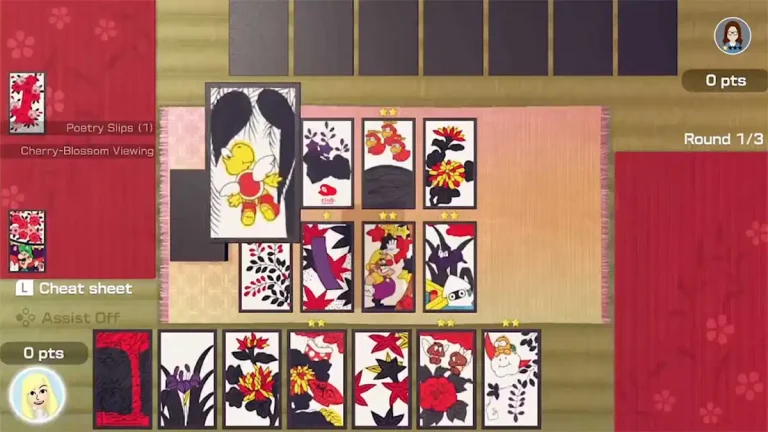
1. Respect the Game’s Natural Rhythm
Physical games carry a natural flow—players pause between turns, linger on decisions, and stop to read the table’s energy. That rhythm is part of what makes board games meditative.
Digital ports often flatten that pacing. Either turns drag because of long transitions and animations, or they’re rushed through so quickly that players lose their footing.
The digital adaptation of Terraforming Mars is a cautionary example. Early player reviews noted that while the visuals were engaging, the animations felt “a little slow and repetitive” after just a few sessions. A later patch addressed this with a setting to skip all animations, but it was reported that the update made the game “lightning fast” to the point of visual instability. According to designer Grzegorz Kobiela, the accelerated mode led to “glitching” and a lack of a polished feeling, ultimately sacrificing pacing for speed.
The takeaway? Pacing should be a design layer, not a toggle. Provide control to the player. Let them slow the game down to think—or speed it up when replaying a known path. And build transitions that are meaningful, not ornamental.
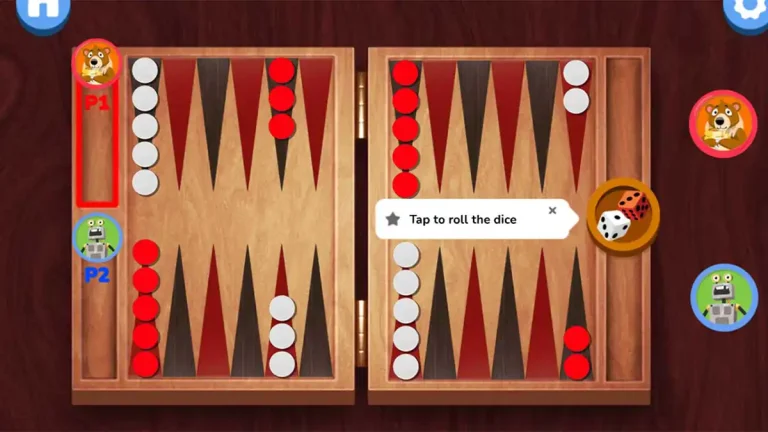
2. Automate Setup, Not Player Engagement
Physical setup is often the most time-consuming part of a board game: shuffling decks, placing markers, checking rules. It’s also where friction lives. Digital adaptations should eliminate this friction—without eliminating involvement.
Automating logistics like card dealing or rule arbitration can cut a 10-minute setup into 30 seconds. But that doesn’t mean every action should be invisible. When players can’t see or feel what’s happening, they lose connection.
Let them draw their own cards, reshuffle the deck with a sound cue, or confirm their starting hand with a tactile animation. These moments of micro-agency reinforce a sense of control and preserve the emotional rituals of board game play.
Smart automation should enhance presence, not erase it.

3. Design With Context, Not Just Function
Digital interfaces allow you to hide complexity—but hiding it too well creates its own problem. The goal is clarity, not opacity.
Contextual overlays, tooltips, adaptive UI, and interactive tutorials can all reduce the barrier to entry. But these need to be presented intuitively and incrementally—not dumped on the player all at once.
For example, instead of listing every possible rule on a screen, highlight valid movement zones only when a player selects a character. Surface a tooltip for a card’s special ability only when hovered. Introduce mechanics gradually through guided play.
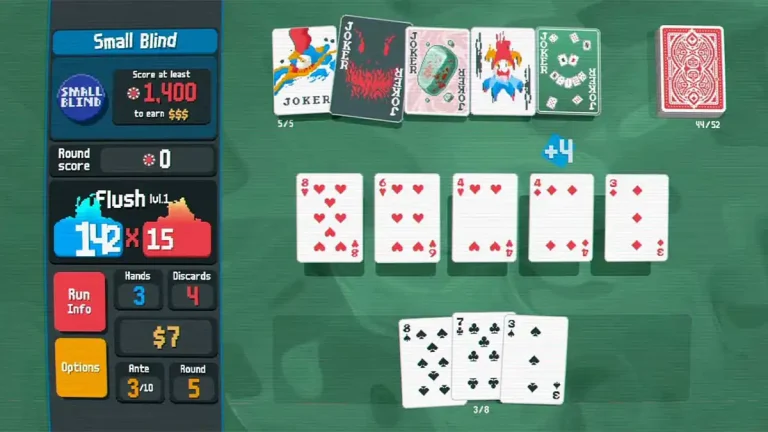
4. Make Rewards Feel Like Rewards
Numbers don’t excite players. Feedback does.
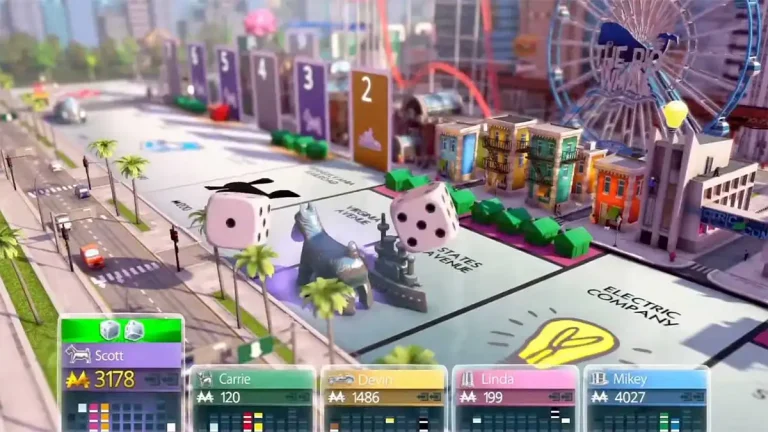
When a player gains coins, the game shouldn’t just update the number. It should animate the coins falling into a chest. When a card is upgraded, it should glow or present with visual fanfare. These moments matter more than they may seem.
The most engaging digital board games borrow from mobile and RPG feedback design—without becoming flashy. Players should hear the sound of a milestone. They should feel that a risk paid off. Visual cues, motion design, and audio effects combine to make outcomes tactile, even on a screen.
Resource games especially benefit from this treatment. A simple +1 token becomes more satisfying when the gain is animated, punctuated, and tied to a rhythm of success.

5. Bring the World to Life
Theme is what binds a board game together. When adapting a physical game to digital, theme can often be enhanced, not just preserved.
This is where you can lean into animation, atmospheric audio, and UI storytelling. A windmill in your game generating power? Let it spin in real time. A card representing a magical creature? Give it a subtle idle animation. Backgrounds can shift with seasons, weather, or game phase. Loading screens can reflect the game’s lore rather than default to generic icons.
These details don’t just make the game more attractive—they make it feel like a place. A world worth returning to.
And in a market full of digital ports that play well but feel sterile, atmosphere is the differentiator.

6. Don’t Neglect the Solo Player
One of the biggest advantages of digital board games is the ability to play alone. But only if the AI respects the player.
When users say things like “I wish the AI was better at winning,” it’s not just a complaint about difficulty. It’s a reflection of a deeper issue: players want to be challenged in a way that mimics real opponents. Jacob Fryxelius, creator of Terraforming Mars, responded to such a comment publicly, stating that the team was actively discussing improvements to the AI. The fact that this concern reached the creator of the board game itself emphasizes how central solo play is to player satisfaction.
Good AI needs to feel strategic, not just reactive. It should be able to emulate human heuristics—take risks, bluff, play long-term. And solo modes should reward the player’s growth, whether that’s through increasing difficulty, unlockable content, or adaptive feedback.
Neglecting AI is neglecting your most consistent user base: the single-player audience.
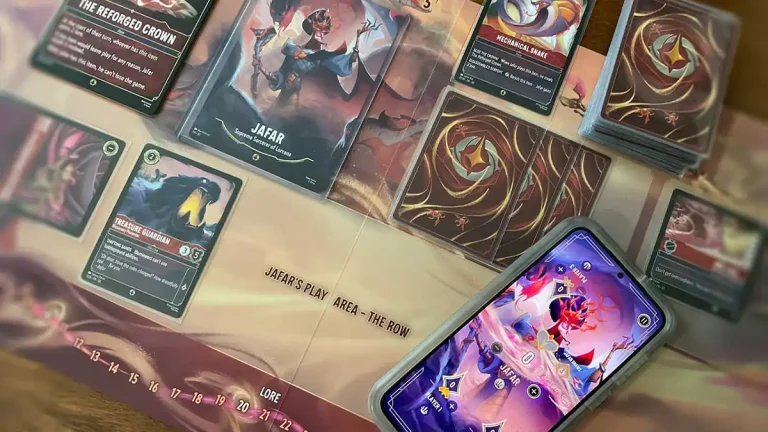
7. Give People a Reason to Own Both
Digital and physical formats shouldn’t compete. They should complement one another.
Many players enjoy the experience of physically playing a board game but may also want the convenience and flexibility of digital play. The key is to bridge those formats meaningfully.
Offer free tools for physical players: scoring trackers, interactive rulebooks, AR guides. Then, use those tools as gateways to premium digital content. Unlockable cards, alternate visuals, in-game achievements that tie back to physical ownership—all of these create a sense of ecosystem rather than product line.
You might even let players scan physical components to unlock digital equivalents. Reward those who own both versions with something exclusive. This doesn’t just build loyalty. It builds identity.
8. Keep It Fresh With Events and Updates
A digital game never has to stay the same.
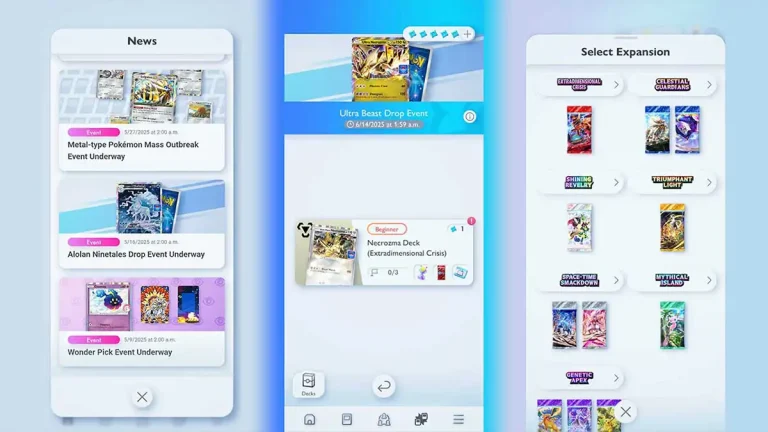
Use that fact. Seasonal content, rotating modifiers, and time-limited events give players a reason to return. Holiday themes, community-voted rulesets, or weekend-only challenges can reignite interest in a game that’s otherwise been “finished.”
Even cosmetic changes—like a winter skin for the board, alternate card art, or festive soundtracks—contribute significantly to retention.
Live content builds habit. It also builds community. If players know something new is coming every month, they’re more likely to keep checking in, and in turn, keep your game on their devices.
Let’s Build It Together
At Workinman, we can help studios and publishers translate beloved board games into dynamic digital experiences—without losing the essence of what makes them great. From AI tuning to UI design and atmosphere-building, we know how to turn cardboard and cardstock into something truly screen-worthy.
If you’re ready to bring your game to life online, let’s chat. Contact us now to get started.