

Branded games aren’t just a creative brief and a lengthy project. They’re a balancing act between honoring brand identity and making something people actually want to play. It’s a synergism between design and marketing, playfulness and precision. When done well, a brand-integrated game becomes more than just a promotional tool. It becomes a story that players want to be part of.
But if you skip the groundwork—if you guess, assume, or overlook the fine print—you risk not just a mismatched experience, but ultimately, a fractured relationship with your audience.
Here’s what to do, and what not to do, when designing branded games.
Do—Work With The Brand, Not For Them
Start with the source of truth. This all relies on brand guides and visual references. This kind of work doesn’t exist in a vacuum. Request the most recent brand documentation before you even think about asset design or tone. Color specs, logo treatments, brand voice, approved fonts… every detail is a boundary you can build something within. The more you understand, the freer you are to create responsibly.
Ask early. Ask clearly. Ask often.
When brand materials leave room for interpretation (and they almost always do), be the one to initiate the conversation. Don’t spin your wheels imagining what might be acceptable, connect with the brand’s creative lead and figure it out together. Especially when designing for games, you’ll often find yourself pushing into territory those original guides weren’t made to cover. Define your creative boundaries up front, so you’re not redesigning mid-sprint.
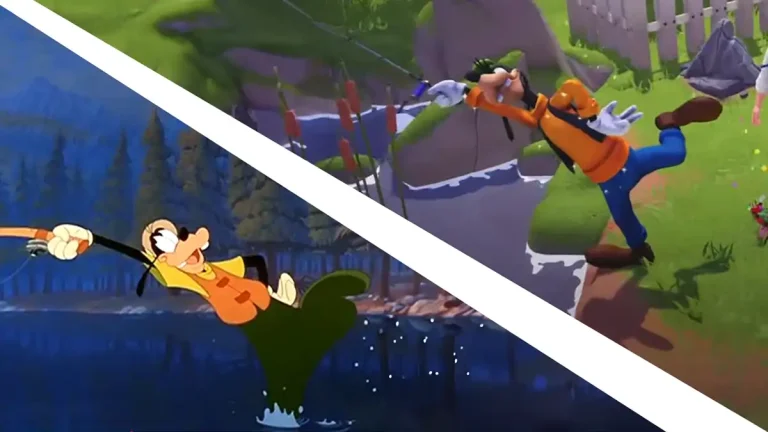
Anchor your character work.
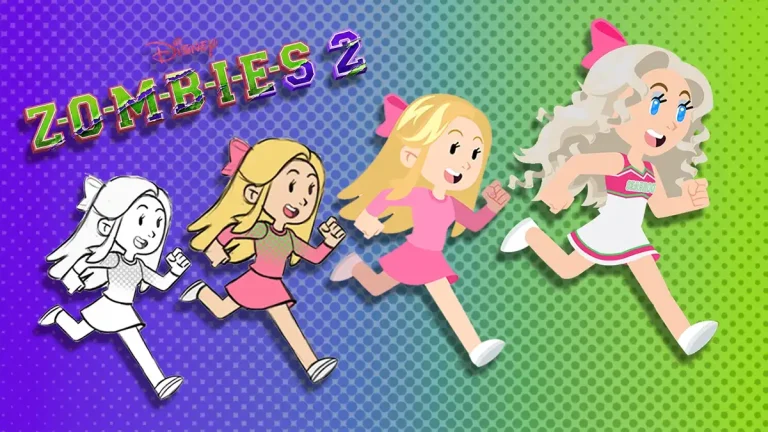
If a mascot or character appears in your game, work from an official model sheet. If there isn’t one, make establishing one your first step. It’s not just about maintaining style, it’s about making sure the character still feels like themselves, in their truest form possible. Their animations, expressions, voice, and even their moment-to-moment behavior in gameplay must always reflect the brand’s established personality.
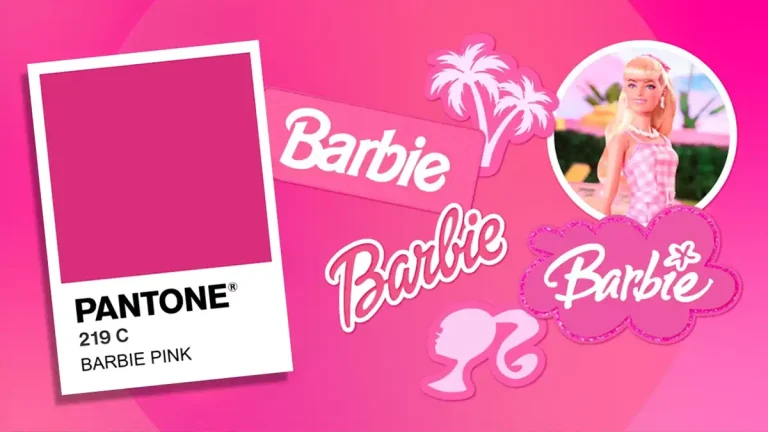
Know your color theory—and your legal risks.
It’s easy to forget that color palettes can carry commercial weight. But think about it: could you really use a symbol with golden arches on a red background and get away with it? How about a purple and white bell? Some combinations may unintentionally resemble a competitor’s brand, and that can create legal concerns or dilute your message. Before you lock in your art direction, double-check for any potential brand conflicts, no matter how absurd they may seem, especially in industries like food, fashion, and kids’ media.

Treat trademarks like they matter—because they do.
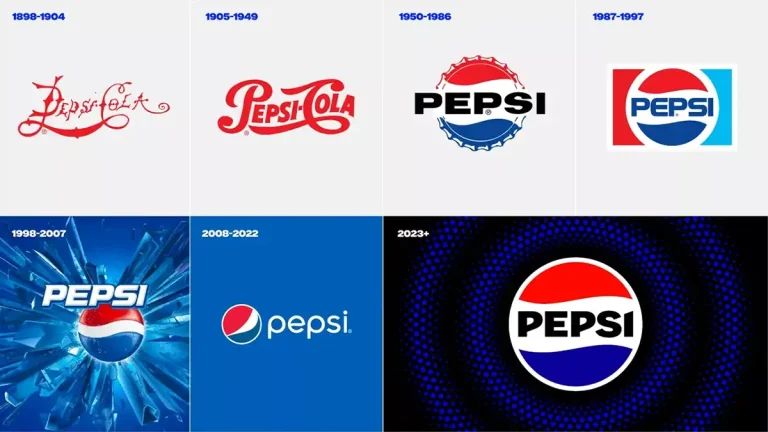
A brand’s logo isn’t just decoration. It’s trademarked, carefully regulated, and tied directly to public perception. Follow the rules: placement, sizing, color usage, safe zones. The same goes for slogans and visual icons. Use them wrong and you’re not just bending style—you’re risking misrepresentation. And when it comes to brands, this is a no-go.
Design around their goals—not just yours.
Every brand has a message they’re trying to deliver, whether it’s social, educational, or just a simple promise of fun. Your game doesn’t have to shout it—but it shouldn’t contradict it either. There’s a reason they’ve hired you. Find the narrative overlap between what they stand for and what makes great gameplay, and build your concept from there.
Get the greenlight before rewriting the universe.
Expanding on a brand’s story? Adding new lore, characters, powers, or backstory? You need permission. Bring your ideas early, and get approval before you commit time or resources to building them. A brand’s universe is established, and notable changes are always routed through proper channels for a reason. Don’t be the one to break that cycle—you might find yourself dedicating more time than necessary to your projects.
Leave breathing room for brand review.
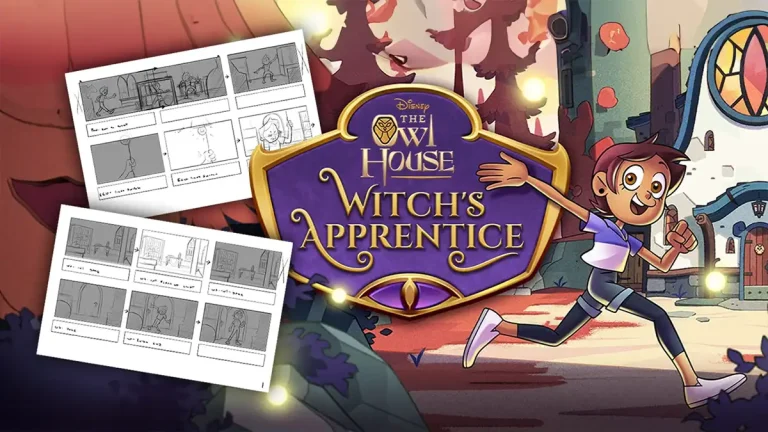
Branded games don’t follow the same fast-paced pipeline as New IP. There are more checkpoints, more eyes, and more rounds of feedback. Plan accordingly. And where possible, front-load your approvals. Don’t wait to get feedback on something big when it’s already deep into implementation.
Now, Here’s What Not To Do
It’s easy to recognize what to do, but equally as vital to understand what you shouldn’t do. There are some missteps that, even with the absolute best intentions, could inadvertently harm branded projects. These missteps, which could be as simple as a message that doesn’t quite fit, don’t just weaken the experience. They can damage relationships, derail timelines, and put the brand itself at risk. Steer clear of the following pitfalls to keep your project on track and your creative partnership strong.
Don’t pull from fan wikis or image searches.
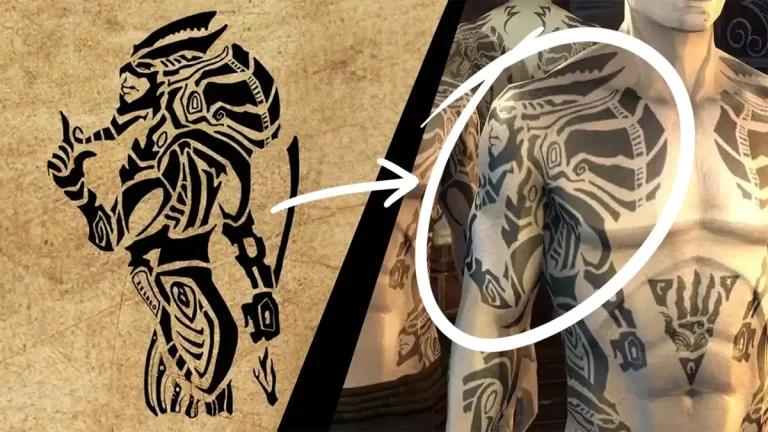
No matter how tempting it is to grab concept art or product renders from Google or Reddit, don’t. Fan art and unverified references are usually off-model, and can (unfortunately) lead you to a kind of brand inconsistency—or worse, violation. If you don’t have something official, ask for it. It’s their project, they will provide you with what you need to complete it.
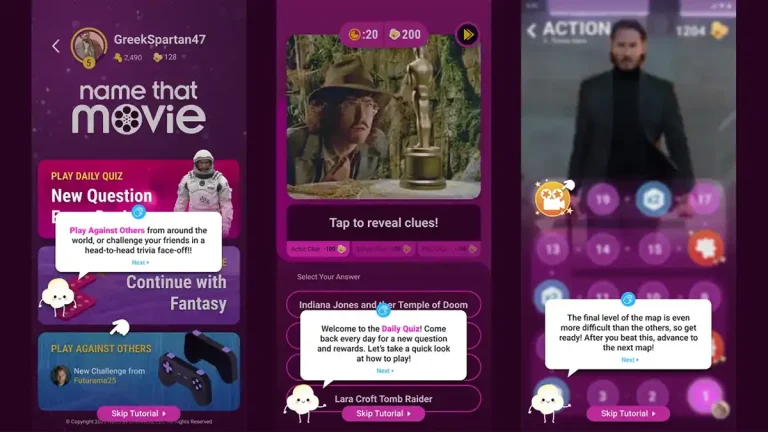
Don’t assume everyone knows the brand.
Even if the brand is a household name, your game might be someone’s first introduction to it. Always design with that in mind. Offer enough context for new players without boring superfans with drawn-out exposition. Build in gentle onboarding. Trust that simplicity and clarity serve both audiences well.
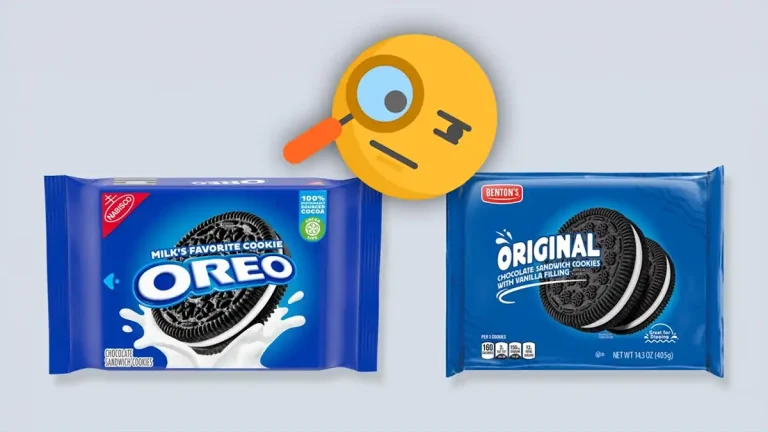
Don’t mimic competitor styles.
Be cautious of color schemes, phrases, or design language that could evoke a competing brand—intentionally or not. Even subtle similarities can confuse players or raise legal concerns. Brands want their world to feel distinct. Your job is to make sure it does.

Don’t schedule too tightly.
Original games have the luxury of creative speed; you’re creating everything. Branded games require patience. Reviews can be slow, approvals can loop, and stakeholders might even change their minds midstream. Budget your time with room for pivots and surprises. Avoid stacking milestones too close to final delivery—you’ll thank yourself later.
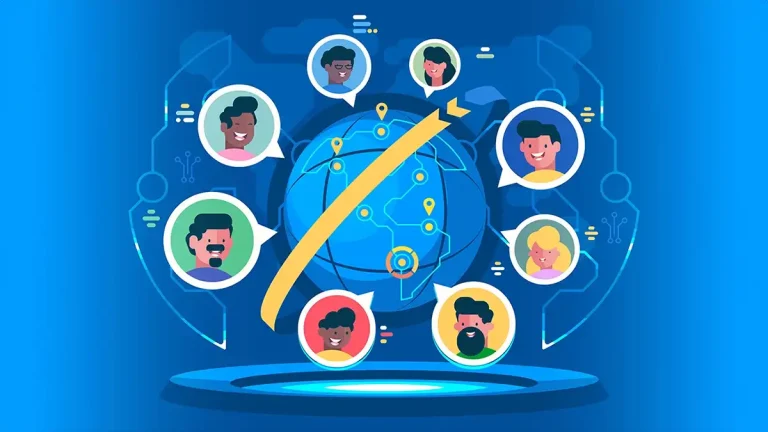
Don’t ignore global implications.
If your game will be localized, be thoughtful about how symbols, themes, or dialogue will translate (or won’t). Even regionally sensitive content—like gestures, clothing, or color meanings—can derail an otherwise thoughtful build. Consider localization and cultural compatibility from day one, not at the finish line.
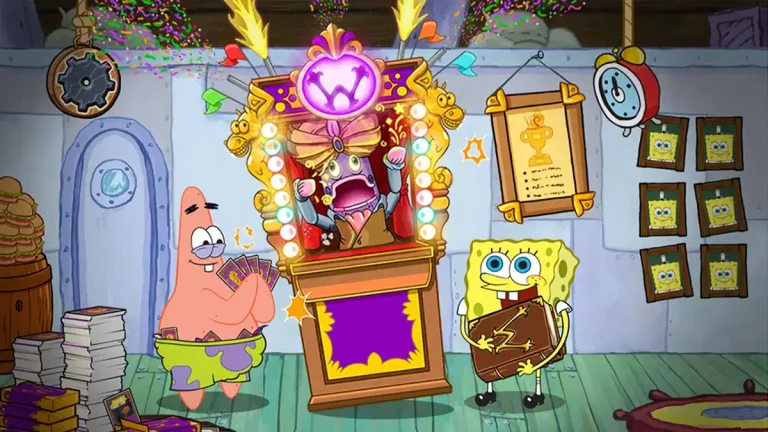
Don’t improvise brand expansion.
It’s exciting to build something new inside someone else’s universe. But with that privilege comes responsibility. Any major extension—narrative arcs, lore rewrites, tone shifts—must be cleared with the brand’s leadership. Always get buy-in before putting new ideas into production.
It’s not about being safe or boring—it’s about being aligned. When everything’s all said and done, your game doesn’t just represent the brand—it extends it in a way that should feel natural, exciting, and true.
A game design company for brands…
At Workinman Interactive, we’ve helped some of the world’s most recognizable brands step confidently into the game space, all without sacrificing quality, playability, or authenticity. If you’re looking for a team that gets how to play inside the lines while pushing the medium forward, let’s talk.