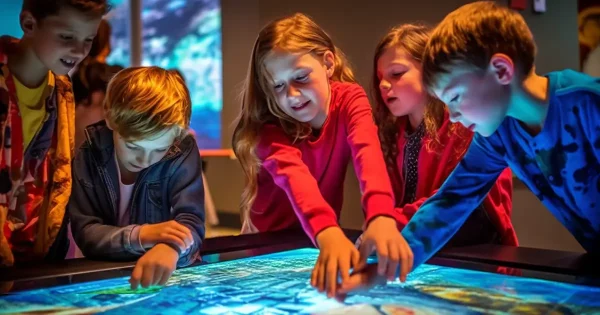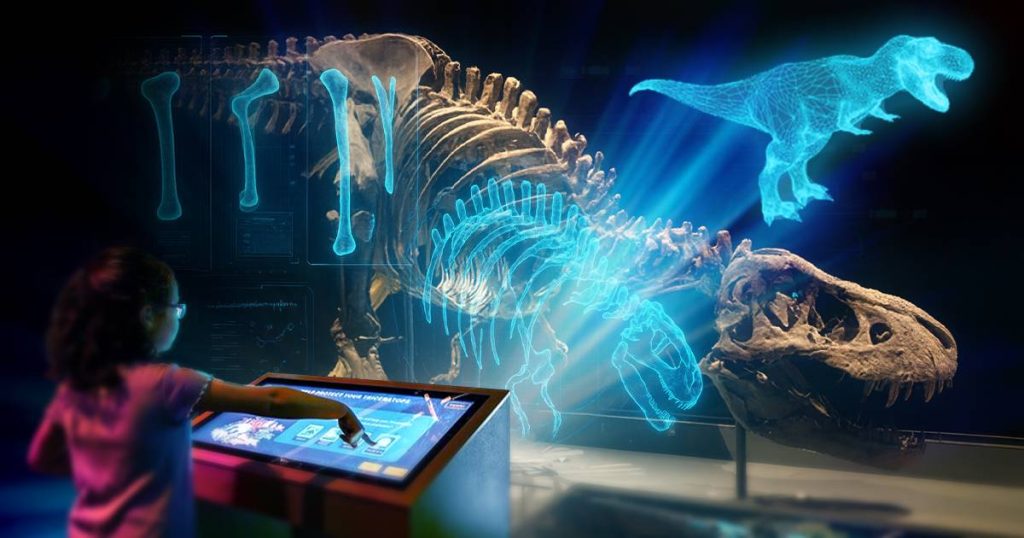
Museum exhibits are everywhere. But many of them are forgettable and antiquated. In the modern day, where nearly every visitor carries a high-resolution screen in their pocket with instant access to a sea of interactive content, the challenge isn’t simply to digitize. It’s to design memorable experiences that foster engagement, immersion, and value across all age groups and attention spans.
At Workinman, we’ve seen the most impactful exhibit experiences emerge from the intersections of game design, mobile integration, and dynamic storytelling. Below, we outline core approaches that help elevate digital exhibits beyond empty screens and into the realm of lasting, meaningful engagement.
Turning Learning Into Play
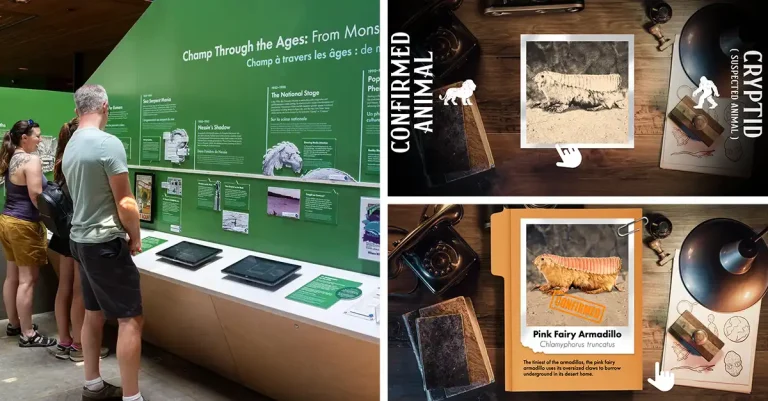
The more passive a learning experience, the faster it fades. That’s why we often look to game design to transform digital exhibits from observational into participatory. Points, feedback systems, structured challenges, and straightforward narratives all serve to give visitors a sense of progress, and ultimately, motivation.
It isn’t about simply layering games on top of content, but about finding natural points of intersection and allowing participants to explore them. Visitors might unlock new layers of a story, contribute data that influences an outcome, or test their knowledge in real-time with others present. These mechanics build a kind of cognitive investment. The result? More retention, more return visits, more word-of-mouth.
Keeping the Experience Going
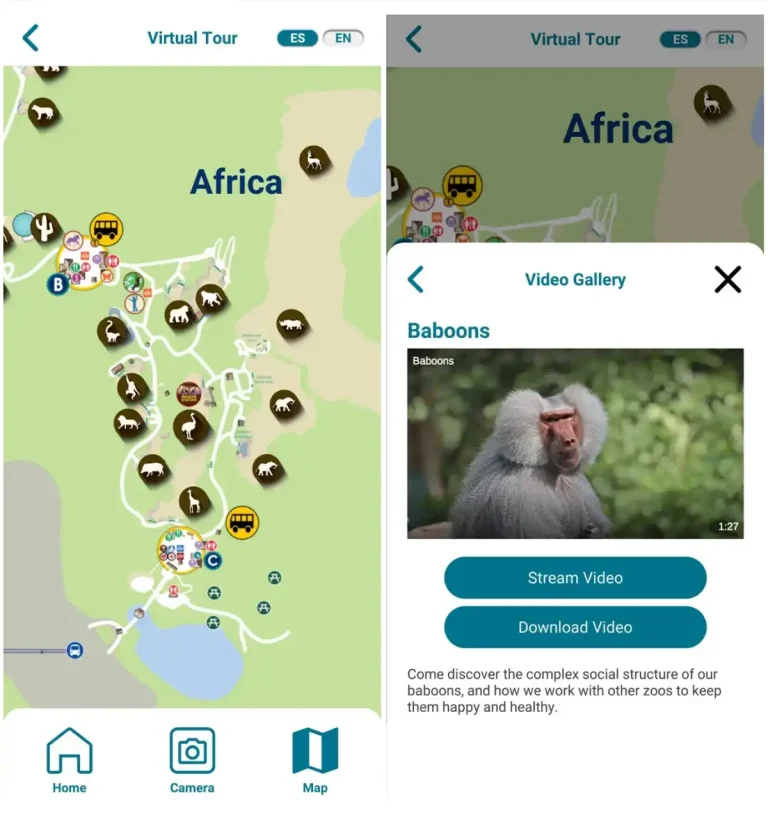
A good museum experience doesn’t end when someone steps out the door. Mobile companion tools, for instance, let the conversation continue. Visitors might be able to bookmark future exhibits, or share their impressions of ones they’ve already seen with others. Some might come back weeks later after receiving a tailored event invite. Others might check their app to see how they ranked in a challenge they joined onsite.
On the administrative side, when people can give feedback, it gives museums a clearer picture of what’s landing well and what isn’t. Letting people rate exhibits helps future guests know what’s worth their time. Regular updates, small rewards, or even a simple thank-you every now and then, connects visitors to your organization and shows them they are elevated guest, rather than just a body in the room.
Making Digital Exhibits Truly Hands-On
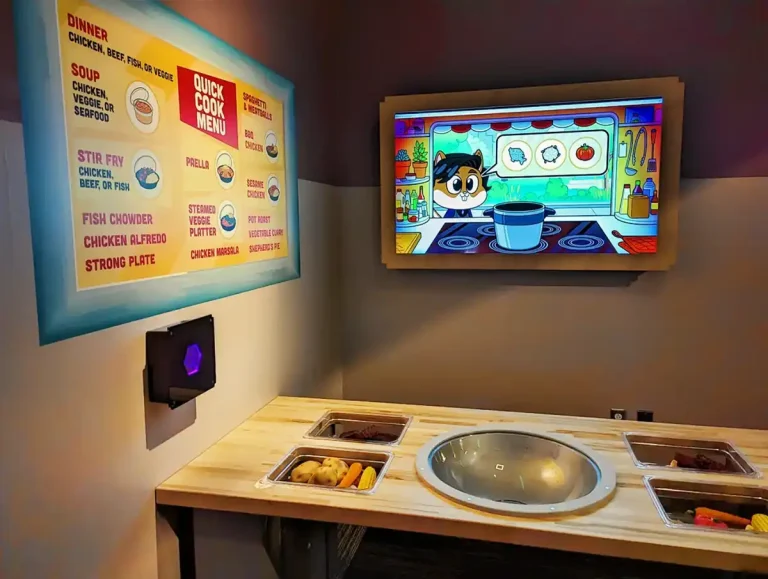
If an exhibit consists of solely tapping on a screen, the simple truth is it won’t stand out. Visitors already do that all day. The most effective digital installations blur the line between software and hardware. They let people move, build, lift, pull, rotate, or touch in ways that physically matter.
Often, the best digital experiences are those which incorporate real-world textures, light, sound, and physical elements that feel natural to manipulate. Motion sensing, reactivity—when it works well, visitors feel not just like they’re part of a system, but like they have agency within it.
Designing for Visibility and Sharing
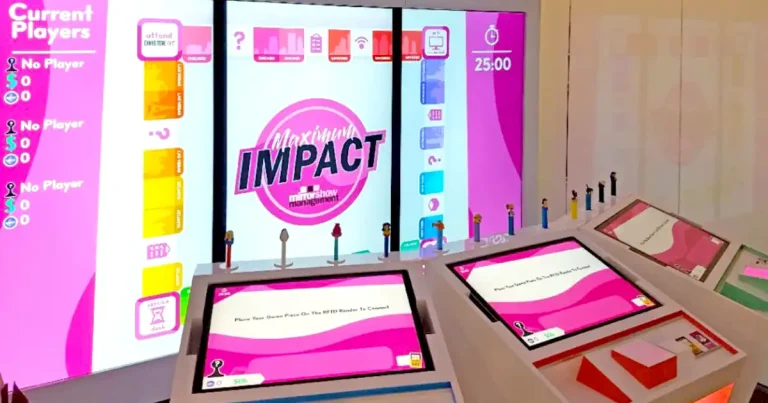
People capture what they find interesting: what moves them. If something delights, immerses, or even surprises someone, it is much more likely to end up on their phone, and inevitably, online. The best digital exhibits don’t just accommodate this; they anticipate and encourage it.
Carefully considered lighting, intentional backdrops, and dynamic visuals make the difference. When an exhibit is visually compelling from both the visitor’s and the camera’s perspective, it naturally becomes part of the conversation. And when people are talking about your exhibits, you know they’re doing well.
Social media shouldn’t be the goal, but it is an amplifier. When guests post about what they’ve seen and done, it encourages others to visit through a different kind of word-of-mouth, one built with curiosity and trust.
Building Responsive Environments (That Evolve)
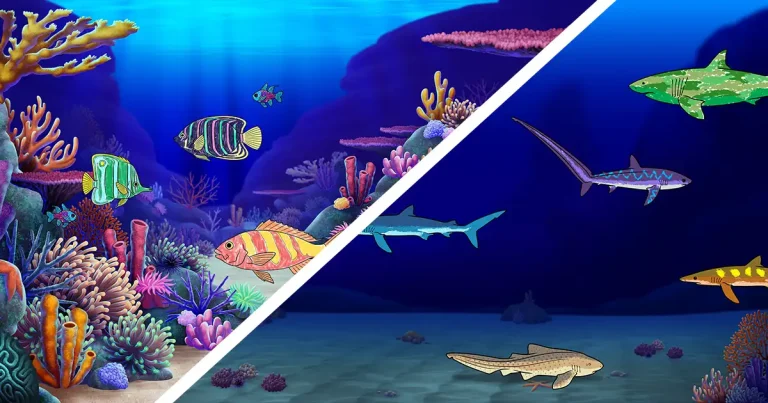
Static exhibits have their place. But digital exhibits have the ability to transform—not just metaphorically, but literally. Using projection mapping and modular software, a single physical setup can rotate through multiple themes, seasonal overlays, or educational tracks without requiring constant renovation.
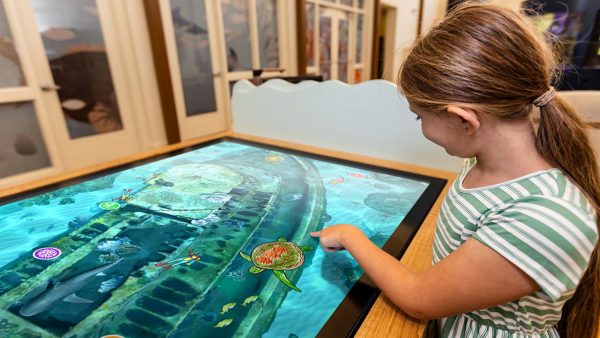
This flexibility keeps exhibits relevant. Take Workinman’s SketchTank, for example. With the exact same build, setup, and hardware as before, you can alternate themes with ease: transition from a coral reef exhibit to one focusing on the deep sea. During Shark Week, your ocean exhibit becomes predator-focused. Museums can respond to thematic changes within a matter of days, not months. This gives guests a reason to return and offers curators a way to adopt new forms of messaging without rebuilding from scratch.
Collaboration for Longevity and Impact
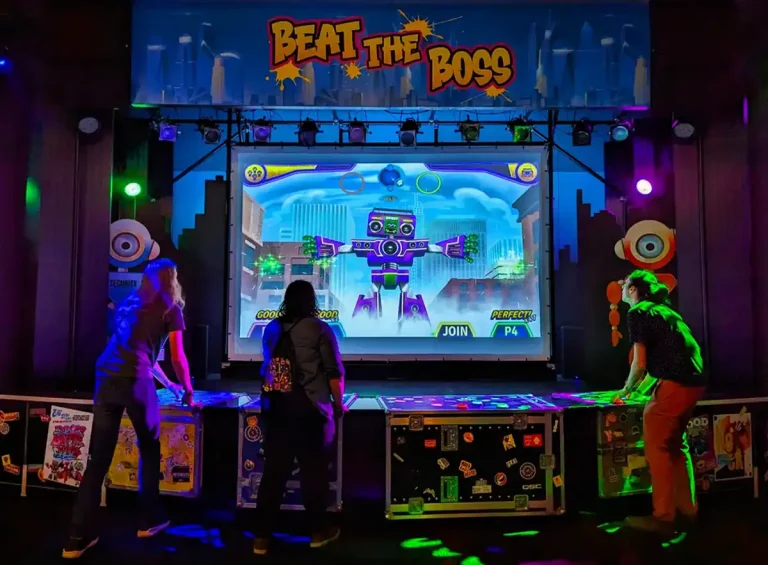
The most memorable exhibits aren’t built in isolation. They emerge from thoughtful partnerships. Creative leads, curators, designers, and technical teams, each bringing a different lens to the table.
At Workinman, we specialize in building digital exhibit systems that aren’t just imaginative, but durable. The kind that lasts decades, holding up under thousands of hands, actively evolves with new content, and continues to resonate across all age groups long after opening day. Whether you’re a permanent children’s gallery, or an immersive installation at scale, we help bring digital components to life in ways that feel cohesive and future-ready.
If your next digital exhibit calls for engagement, immersion, or replay value, our interactive exhibit services are the place to start.