Creating engaging games is both an art and a science. To capture and maintain players’ interest, game designers need to balance creativity with strategic thinking. More importantly, they have to give players a stake, either through interesting narrative, rewarding progression, or insightful feedback (collected actively or passively). Here are 5 essential tips for designing more engaging games:
1. Understand Your Audience and Give Them a Taste of Something New
The first step in creating a game that resonates with your intended audience is understanding who they are. Study their preferences, habits, and expectations for the type of game you aim to develop. Most importantly, identify what’s missing—what content or mechanics do players crave but can’t easily find? Even if such elements exist in other games, players may still be hungry for more.
Don’t overlook user complaints. Avoid implementing mechanics or economic systems that players have expressed disdain for in similar games.
Explore reviews, subReddits, and player communities on platforms like Discord for insights—but proceed with caution. Your goal is to design based on the trends and desires of the broader audience, not the opinions of the loudest voices.
Let’s look at a hypothetical example. The platformer genre has been revisited countless times since the early days of gaming, with franchises like Nintendo’s Super Mario setting a gold standard. How does one even have a chance to be noticed with such a juggernaut in existence? By offering something fresh on top of the tried and true formula.

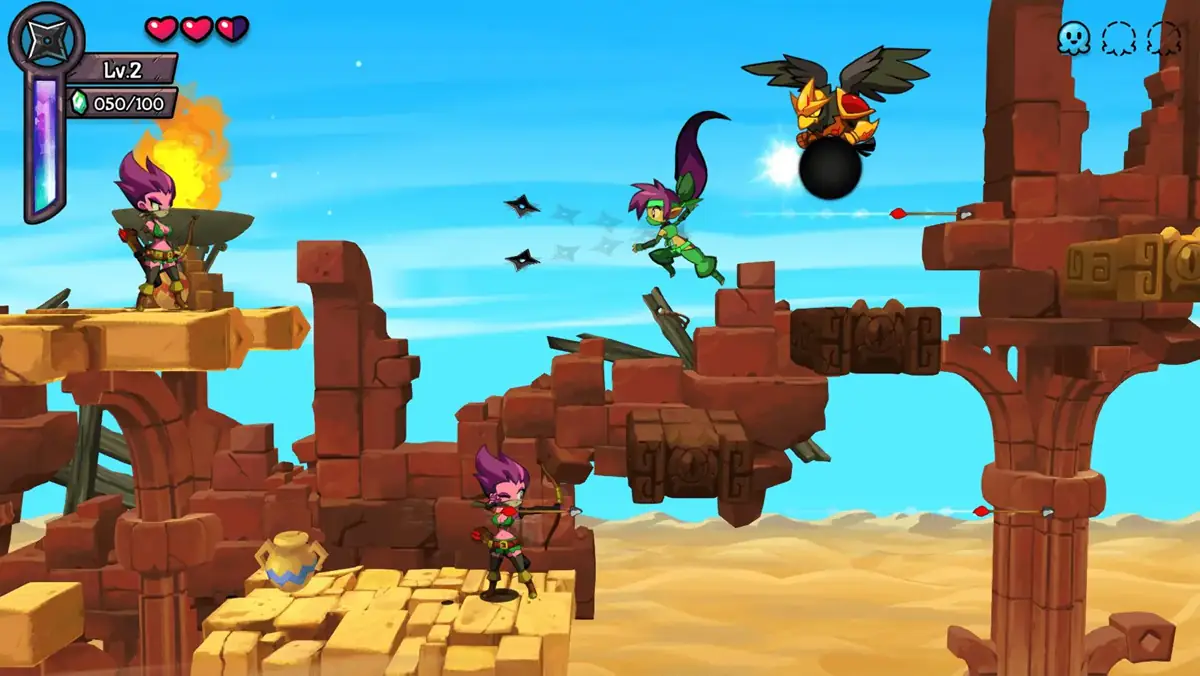
WayForward Technologies accomplished this with the Shantae series. Players control a dancing half-genie with a unique mechanic: her ability to morph into various creatures, such as a wall-climbing monkey or a stampeding elephant. While this concept was inspired by existing games, notably Super Mario Bros. 3, Shantae expanded upon it, making transformation integral to overcoming challenges and defining the Character rather than a supplementary feature.
Combined with tight gameplay, diverse environments, and varied enemies, Shantae offered platforming fans the familiarity they loved with refreshing and innovative mechanics.
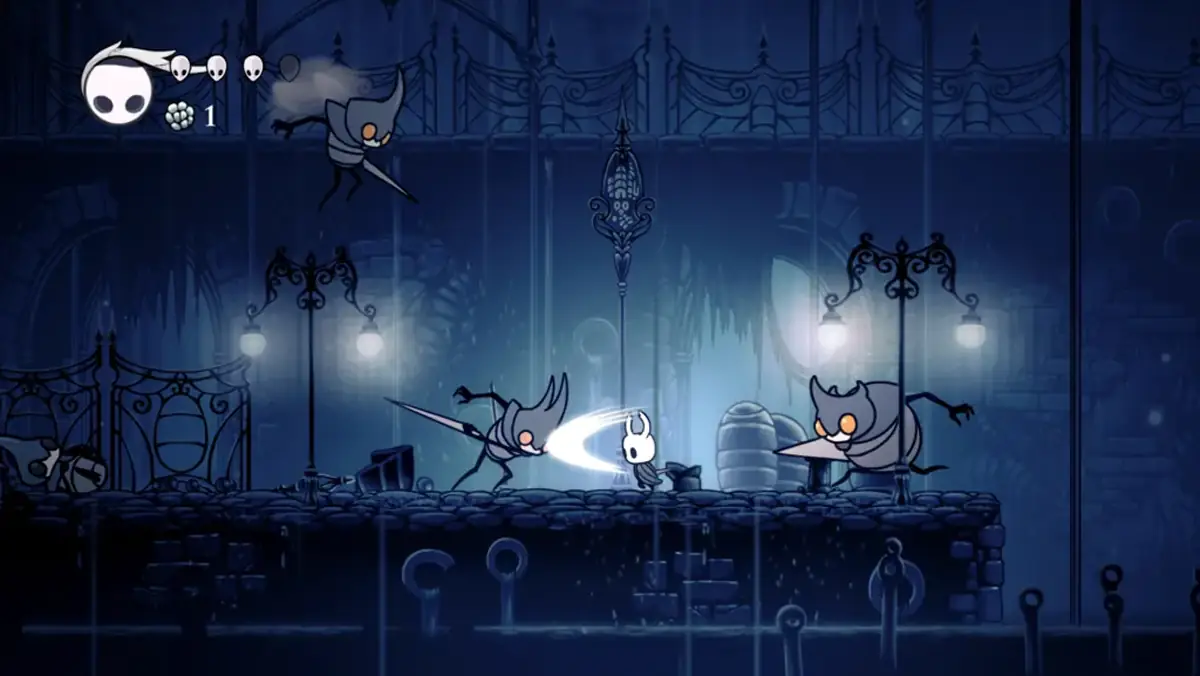
Another excellent example is Hollow Knight. This beautifully crafted platformer introduced a vast interconnected world filled with secrets, mysteries, and challenges. Its standout mechanic, the “soul” system, allows players to collect energy from defeated enemies to heal or unleash powerful attacks, creating a strategic layer to combat and exploration. Combined with tight controls, intricate level design, and a hauntingly atmospheric narrative, Hollow Knight pushed the platforming genre forward by blending traditional elements with a fresh and innovative approach.
2. Create Compelling Characters and Stories
Players connect deeply with well-developed characters and narratives that are immersive and relatable, drawing them further into the game experience. Invest time in crafting compelling backstories, multi-dimensional personalities, and engaging plot twists to deepen players’ emotional connection to your game world. Even if you don’t have an epic narrative, showing your players that the world has life, with reasons for why things exist and how its inhabitants behave, can immerse them in a cohesive and engaging environment.
Players want to understand why they’re moving from point A to point B, why they must face certain challenges, and what’s at stake. When your narrative connects with their emotions or personal experiences, it deepens their investment in the story, encouraging them to not only see it through but also revisit the game to uncover details they may have missed during their initial playthrough.
This doesn’t mean you need to devote your entire budget to narrative development or rely heavily on cinematic cutscenes. Instead, weave storytelling into the gameplay itself. Short narrative beats, in-game dialogue, environmental storytelling can effectively immerse players without breaking the flow.
A great way to start is to create small backstories for each character—even NPCs around the village, skeletons resting in a dungeon, or the long-forgotten resident of an abandoned cabin. A few sentences about their past, personality, or motivations can add depth to their design and keep your narrative organized. Apply the same approach to environments and objects. A dusty, abandoned room with a broken picture frame could inspire players to wonder: Who broke the frame, who are the people in this picture, and why was this place abandoned? Small details like these spark curiosity and encourage exploration as players piece together a richer understanding of the world they are navigating.
These intricacies don’t just engage individual players but also encourage them to discuss the game with others, sharing their thoughts on what these details mean and their significance to the story. Successfully doing this can foster a sense of community and word-of-mouth promotion for the game. In some cases, it can lead to a viral hit if players become deeply invested in creating theories and analyses, further enriching the game’s cultural footprint.
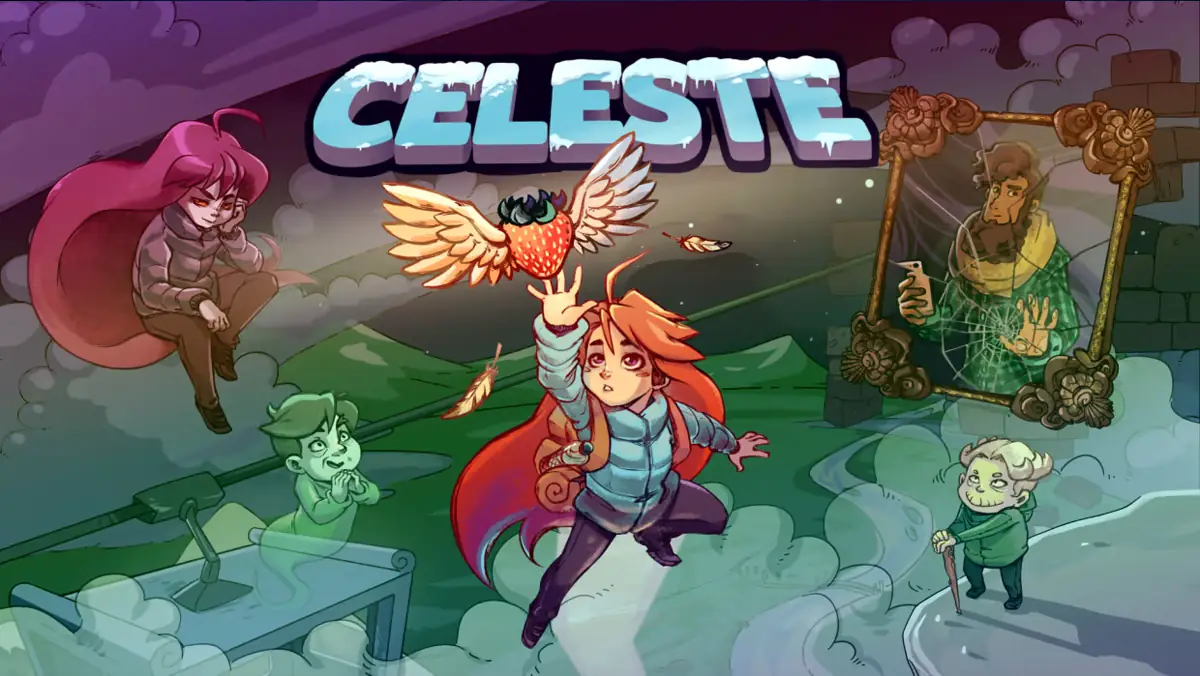
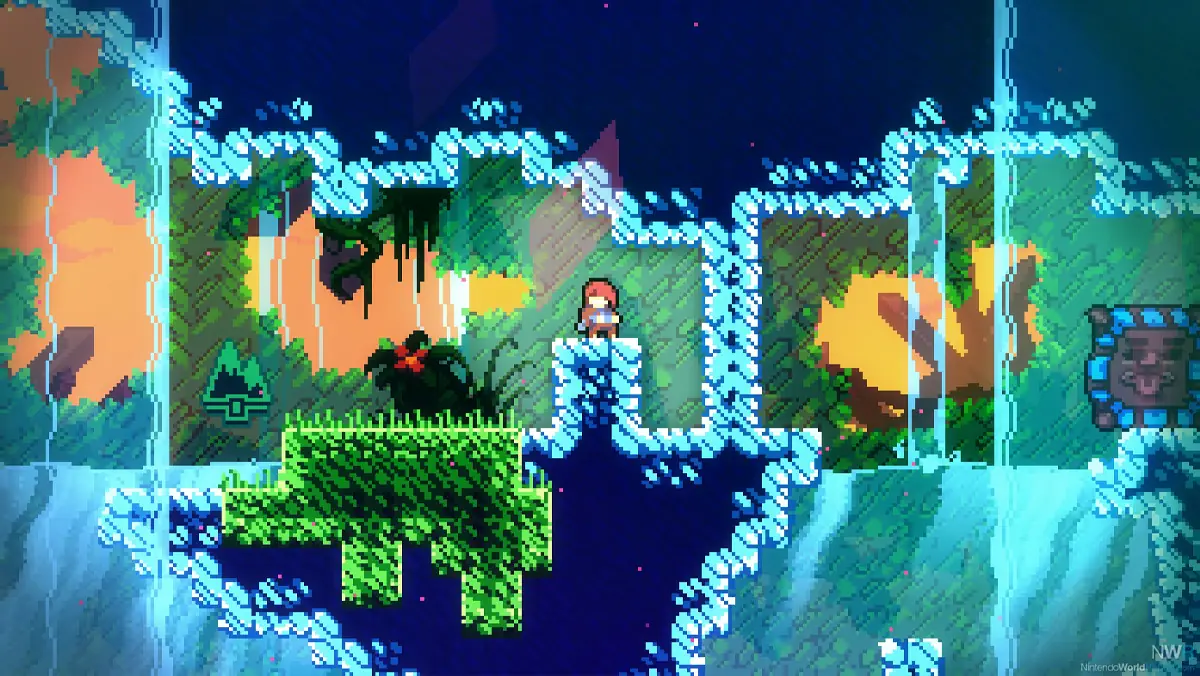
A great example is Celeste. This critically acclaimed platformer combined traditional gameplay mechanics with modern twists, such as the protagonist’s dash ability. Players must navigate challenging levels while mastering timing and precision. What sets Celeste apart is its integration of narrative with gameplay; the platforming challenges mirror the character’s internal struggles with anxiety and self-doubt. The story follows Madeline, a young woman attempting to climb Celeste Mountain while confronting her inner demons, embodied as a dark reflection of herself. The mountain serves as a metaphor for personal growth, resilience, and overcoming mental health challenges. Through dialogue, environmental storytelling, and the increasingly demanding platforming sequences, players experience a deeply emotional journey that resonates on a personal level, offering something new and intriguing to a genre that often uses a simple kidnapping as the primary plot driver.
3. Design Mechanics that Enable Creative Problem-Solving
Thoughtful, balanced, and intuitive mechanics are the backbone of any game. However, the most memorable games often feature mechanics that encourage creativity and multiple approaches to problem-solving. While “sandbox” is often used to describe such flexibility, achieving that feeling doesn’t require a full sandbox experience. Begin by refining the mechanics you have and exploring ways to make them multipurpose, enhancing their functionality and boosting player engagement.
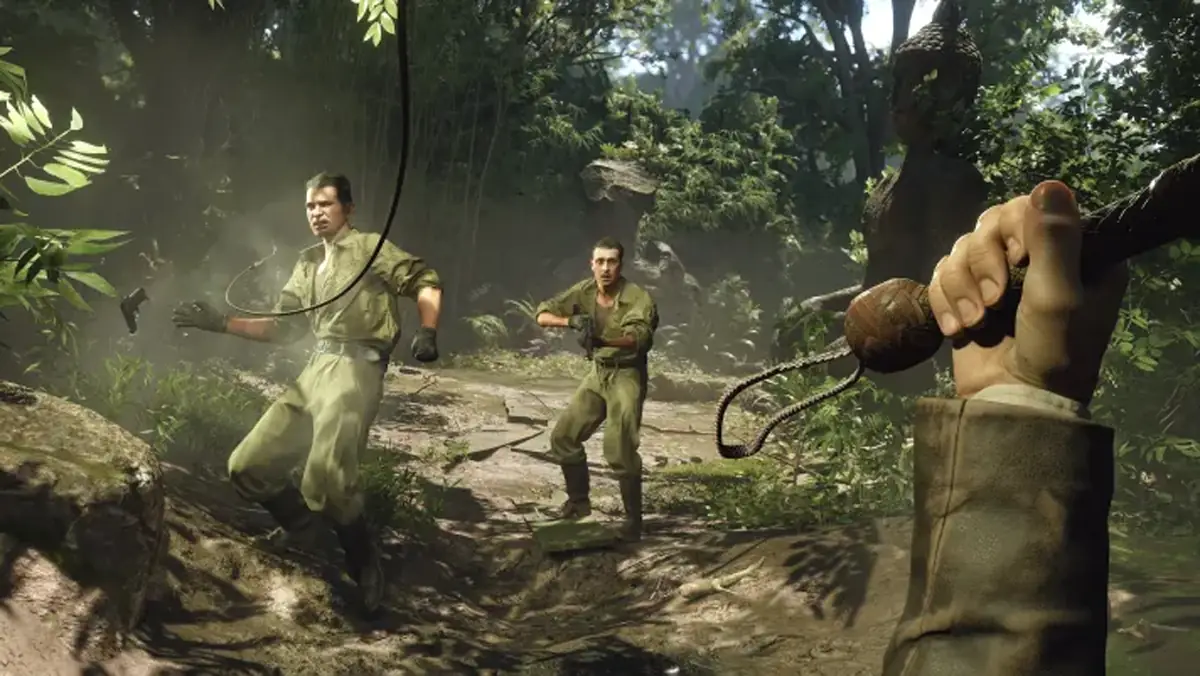
Can everything have two functions? Three? Mario’s jump not only clears obstacles but also breaks blocks and defeats enemies, making it iconic and versatile. Similarly, Indiana Jones’s whip serves multiple purposes: it can disarm foes, retrieve objects, and allow Indy to swing across chasms. These examples highlight how a single mechanic, when thoughtfully designed, can add depth and variety to gameplay, enriching the player’s experience and allowing them to use one function in a multitude of ways depending on the situation and their skill level.
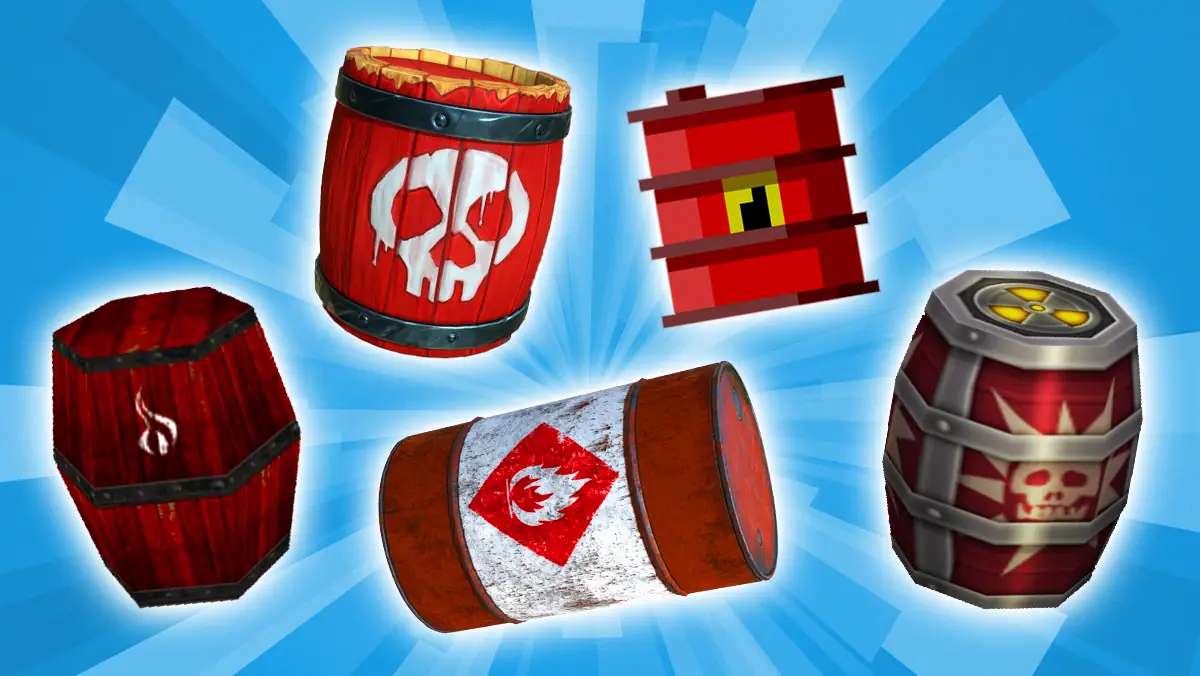
The stereotypical video game “red barrel” typically explodes when shot, serving a singular purpose. To enhance gameplay, consider adding flexibility—players could push the barrel to make it roll downhill into a gathering of enemies, triggering an explosion to take out a whole camp. Perhaps the rolling barrel could even damage enemies as it moves. The key is to ensure these uses feel intuitive within the environment and context. Rather than handholding players through all the possibilities, encourage discovery and mastery by integrating challenges that naturally nudge them to experiment and think creatively.
4. Combine and String Together Mechanics for Depth
Beyond multipurpose mechanics, enabling players to combine and string mechanics together can unlock even more complex solutions and create highly rewarding moments as they become more familiar with the game and need new challenges. These instances not only celebrate player ingenuity but also become memorable and shareable experiences.
For example, in The Legend of Zelda: Breath of the Wild, players can use Magnesis to move metallic objects, combine that with Stasis to freeze them in time, and then build up kinetic energy to launch the object into enemies or across chasms. Similarly, players can start a fire to create an updraft, then use the paraglider to soar to otherwise inaccessible areas, chaining multiple systems for a dynamic and organic solution.

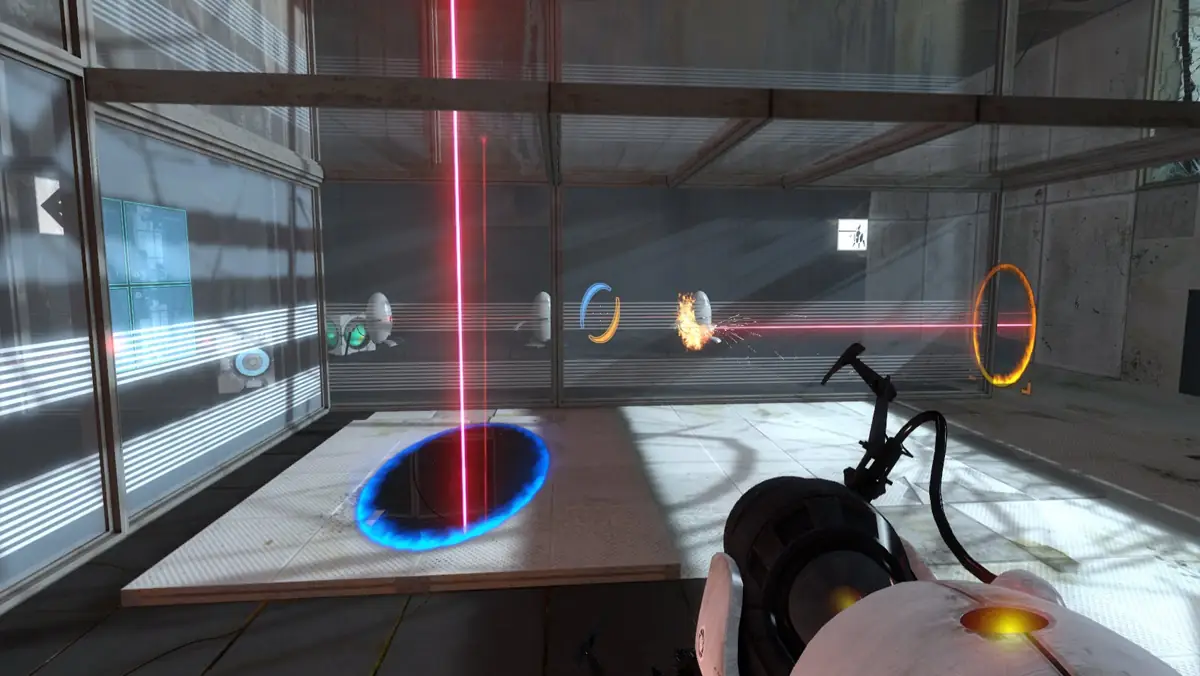
Another excellent illustration is Portal 2. The game’s portal gun allows players to connect two points in space, but the addition of new mechanics like propulsion and repulsion gels expands the possibilities. Players must string these mechanics together—using portals to redirect the gels or launching themselves across wide gaps—to solve intricate puzzles, offering a satisfying sense of mastery as solutions unfold.
In Ori and the Blind Forest, the platforming elements similarly encourage chaining moves like double jumps, wall climbs, and the unique Bash ability. Bash allows players to redirect projectiles or enemies while propelling Ori in the opposite direction, creating opportunities for dynamic movement and creative problem-solving. This mechanic, combined with precise platforming sequences, lets players string actions together seamlessly, rewarding mastery and innovation while maintaining a fluid and engaging rhythm.
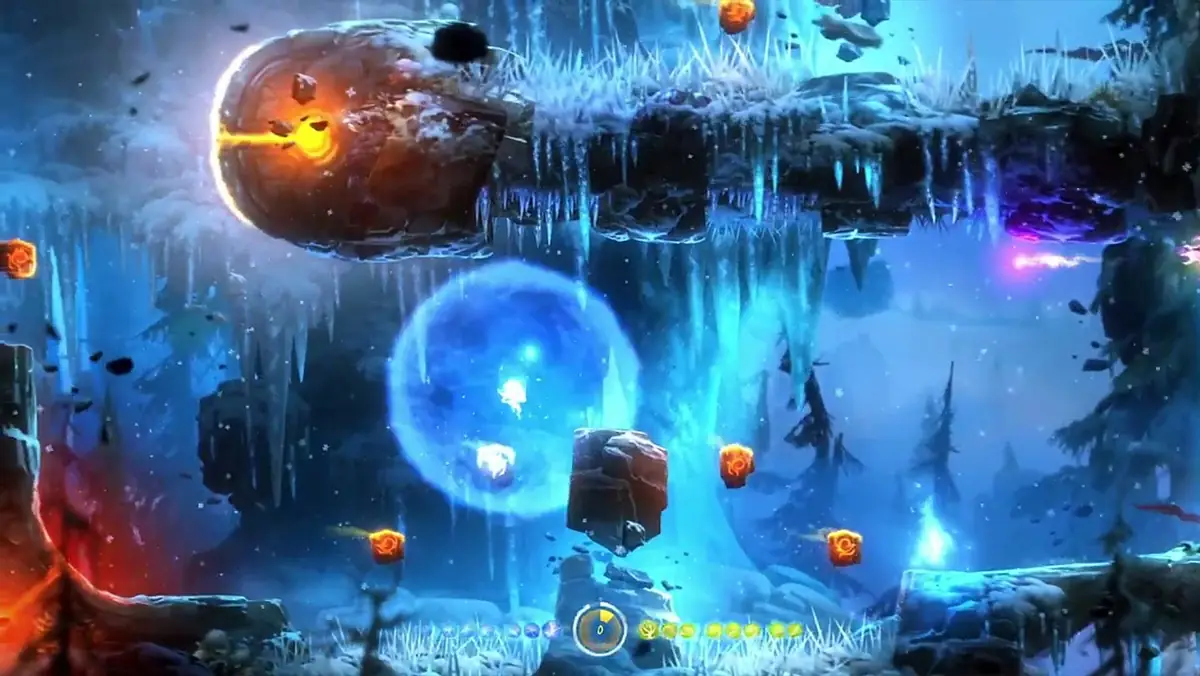
Be sure to reward players who pull off these more complex combinations with bonus points, graphical and audio flair, or perhaps an enhancement to the animation.
5. Use Dynamic Difficulty Adjustment
Dynamic difficulty adjustment can help keep players of all skill levels engaged by automatically adapting the game’s difficulty based on their performance. This approach not only helps retain players who might otherwise quit due to frustration or boredom but also allows the game to capture and maintain a broader audience. It’s better to have players stay engaged at a tailored difficulty level than to lose them entirely out of frustration.
One major benefit of dynamic difficulty is the ability to use analytics to observe where players are having the best experiences. Developers can track which difficulty adjustments resonate most with their audience, providing valuable insights for tweaking existing content or designing new features.
Examples of dynamic difficulty include the AI Director in Left 4 Dead, which adjusts the intensity of enemy waves based on the player’s performance and cooperation, and Resident Evil 4, which dynamically reduces or increases enemy aggressiveness depending on the player’s success.
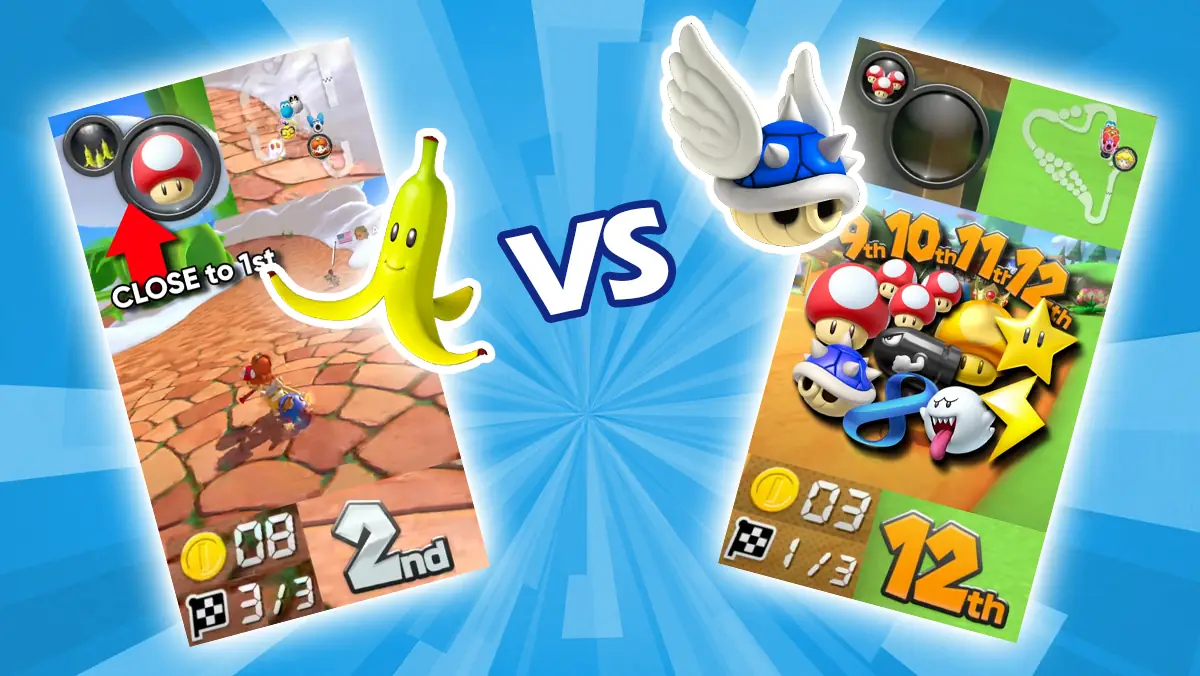
Similarly, Mario Kart employs a “rubber banding” system, ensuring that players lagging behind still have a chance by giving them powerful items, although there is some criticism of Mario Kart’s heavy-handedness in this regard. We feel that it’s best to adapt difficulty to aid a player slightly when stuck, and top it off again when they hit their stride, but not to rebalance the game entirely and indefinitely or they may find the challenge is easily overcome by repeated failures.
In educational game design, dynamic difficulty adjustment often involves dynamic curriculum, adapting the experience for a wide range of ages, knowledge levels, and learning abilities. For instance, math games might increase problem complexity as students succeed or provide additional hints and scaffolding for those who struggle. This not only enhances engagement but also ensures a greater learning experience for all players, including those with learning disabilities.
Dynamic difficulty systems encourage inclusivity, ensuring that players of varying skill levels and preferences can enjoy the game. By reducing barriers to enjoyment and tailoring challenges, dynamic difficulty creates a more personalized and satisfying experience for all. Additionally, it can serve as an accessibility tool for players who require special controllers or who have visual or hearing impairments that may make traditional visual or auditory cues less effective. Dynamic difficulty can help compensate for these challenges, enabling all players to have an equitable and engaging experience.
Picking the Right Team
These five tips are just the beginning. Designing engaging games is a nuanced process that requires continuous creativity and attention to player behavior. At Workinman Interactive, our team of highly trained developers and designers is deeply familiar with the best practices for player engagement. We also excel at pushing boundaries and thinking outside the box to discover new ways to increase player interaction.
Whether it’s a simple puzzle game or an intricate 3D world, a knowledgeable development team can ensure that every step of the game design process prioritizes repeat engagement and player satisfaction. Contact us today to discuss how we can elevate your next game to captivate and retain players like never before.